Abatement and lead-safe renovation are different jobs
Lead-safe renovation means doing ordinary work, such as a kitchen or a paint job, without spreading lead dust. Abatement means work whose purpose is to permanently eliminate a lead paint hazard. Each requires its own EPA firm certification.
Our numbers are NAT-F238913-2 for renovation and LBP-F238913-2 for abatement. You can ask us for copies of both certificates.
If you have received a violation
New York City holds owners of older residential buildings responsible for lead paint hazards, especially in apartments where young children live. A violation notice sets out what must be corrected and by when.
Send us the notice. We will look at the apartment, explain the work needed to correct it and give you a written price. Clearance dust testing after the work is done by an independent certified inspector, not by us, which is how the rules are meant to work.
See photos from our lead abatement jobs
What is included
- Review of the violation notice and site visit
- Containment of the work area
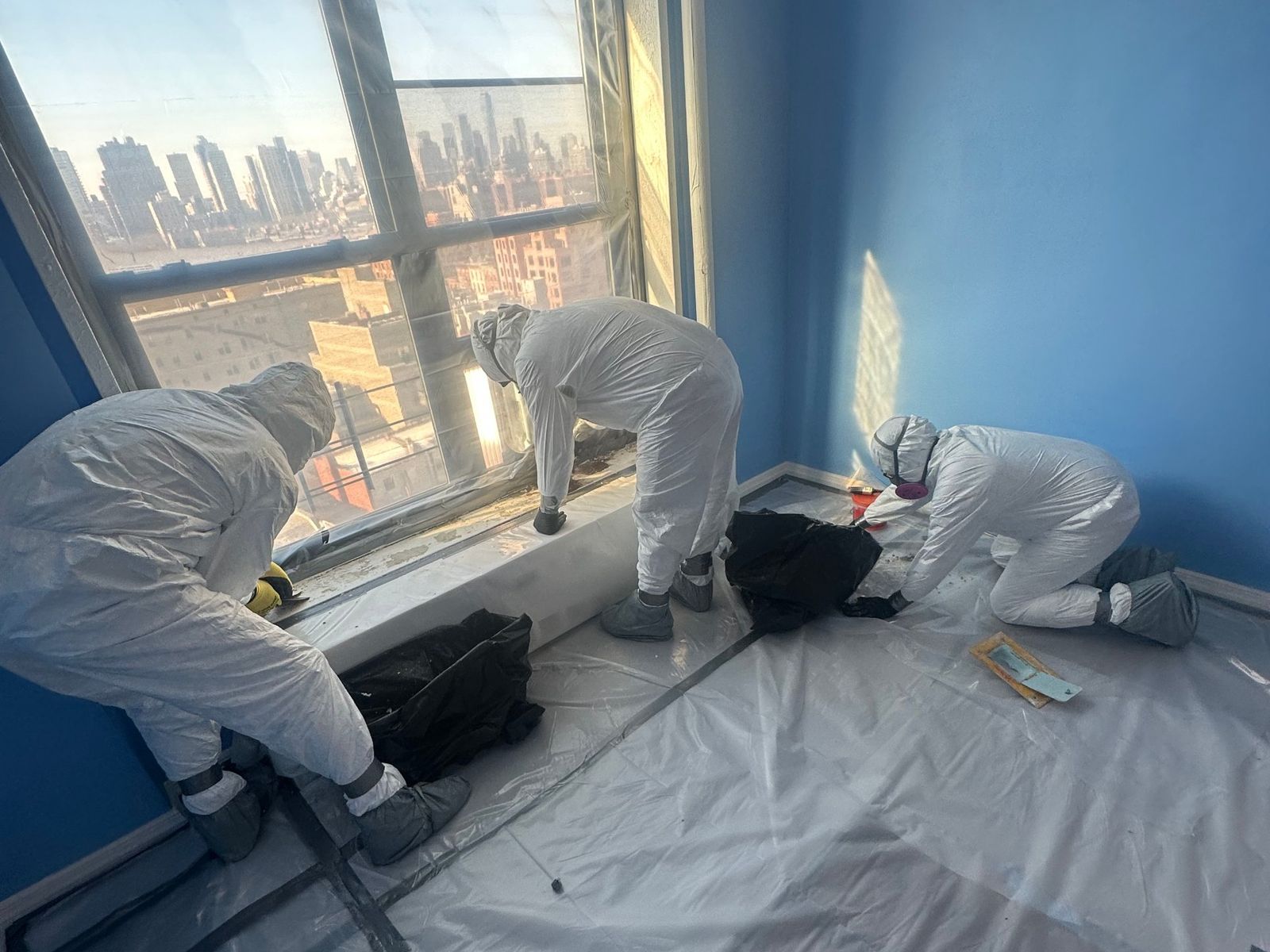
- Removal, enclosure or encapsulation of lead paint as required
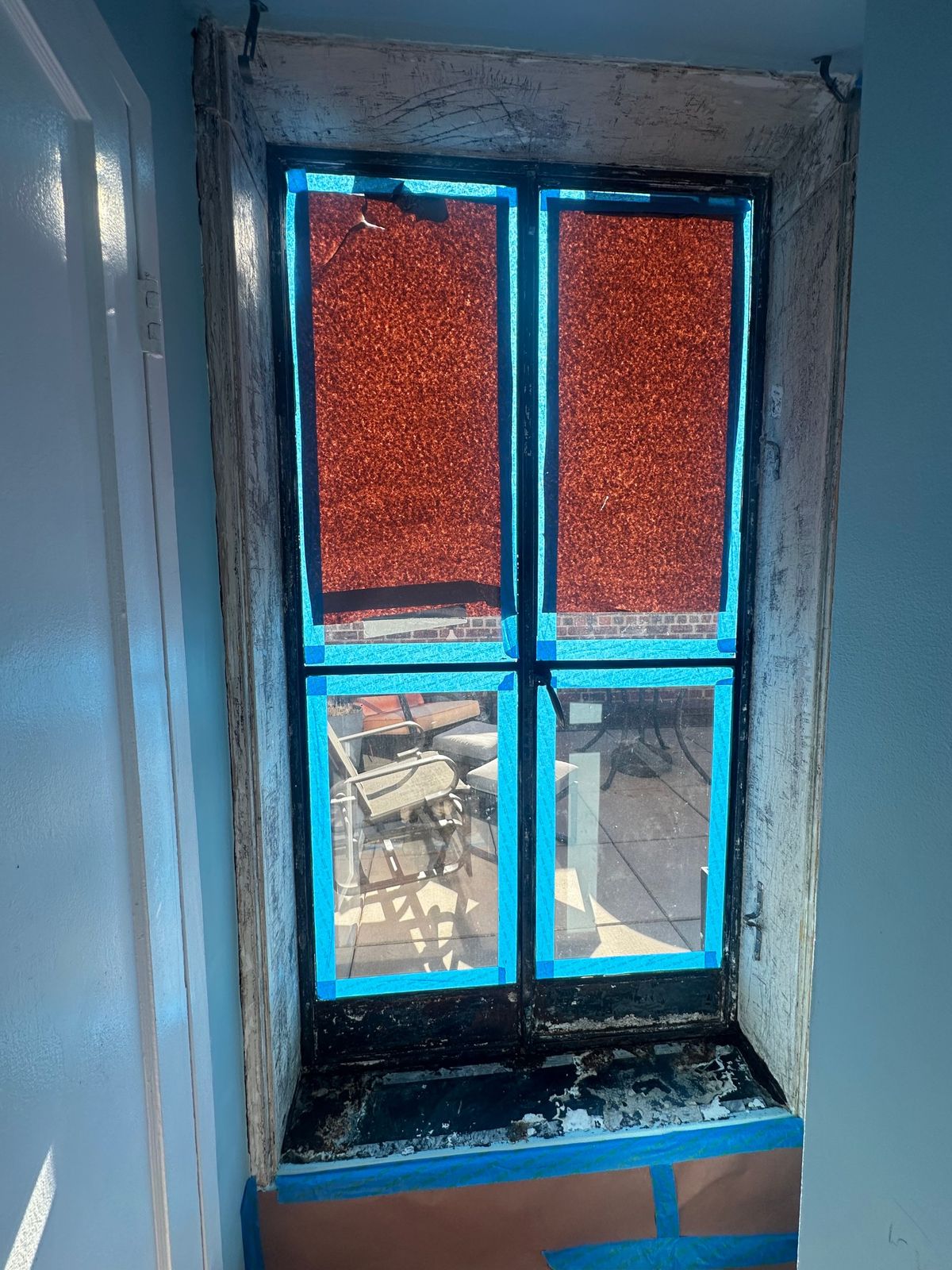
- Window and door friction-surface work
- Cleanup to clearance standards
- Coordination of independent clearance testing
- Paperwork you need to close out the violation
Questions about lead paint abatement
Who needs lead abatement?
Owners correcting a lead paint violation, landlords preparing an apartment where lead hazards have been identified, and families who want lead paint permanently dealt with.
Can I stay in the apartment during the work?
Not in the work area. Depending on the scope, occupants may need to be out of the apartment until clearance testing passes.
Do you do the lead testing?
No. Testing and clearance are done by an independent EPA-certified inspector or risk assessor. We can coordinate it.
How do I get a price?
Call (844) 343-3333 or send the estimate form. After a site visit we give you a written, itemized estimate, so you can see what each part of the job costs before you sign anything.
Where we do this work
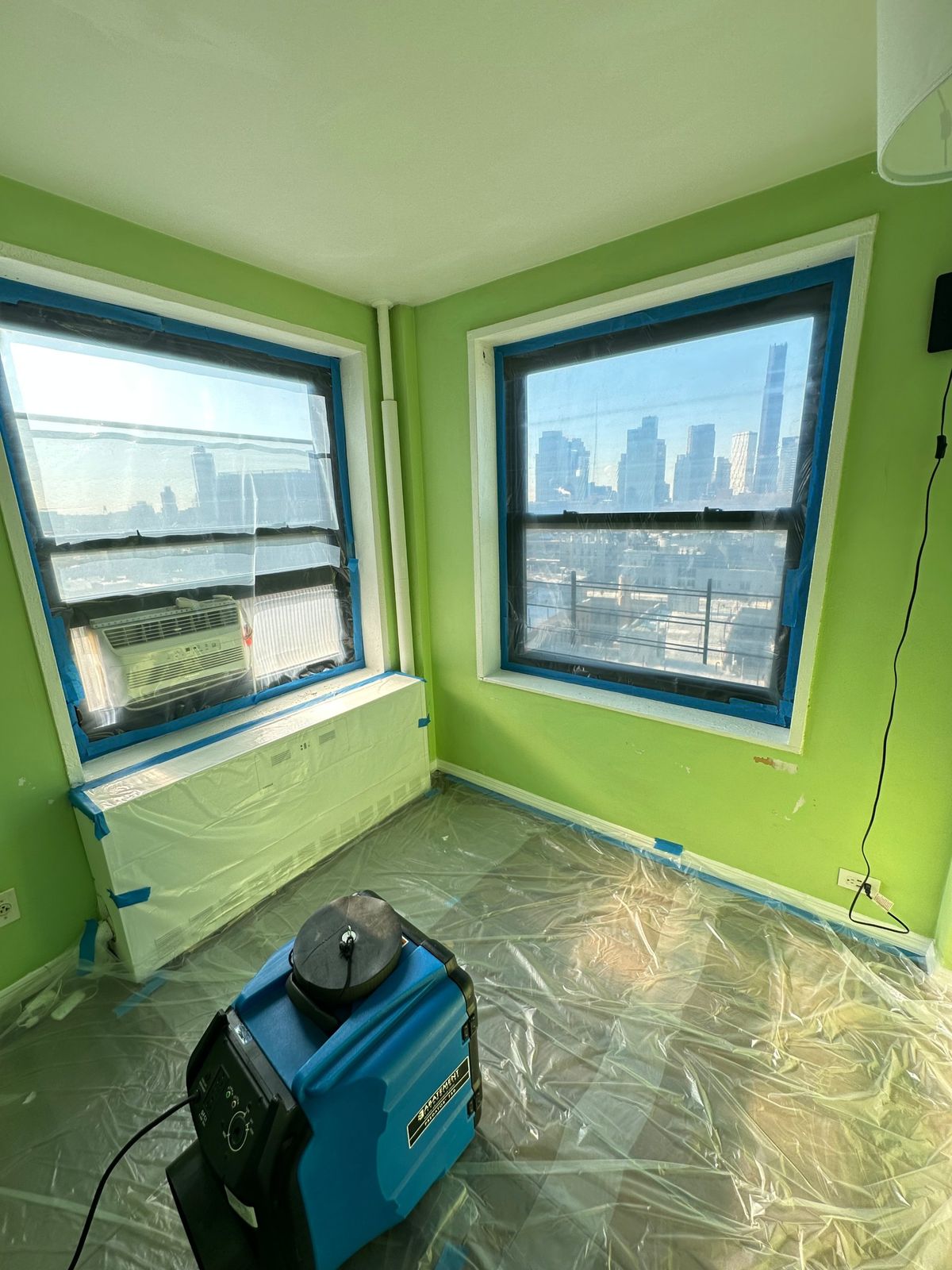
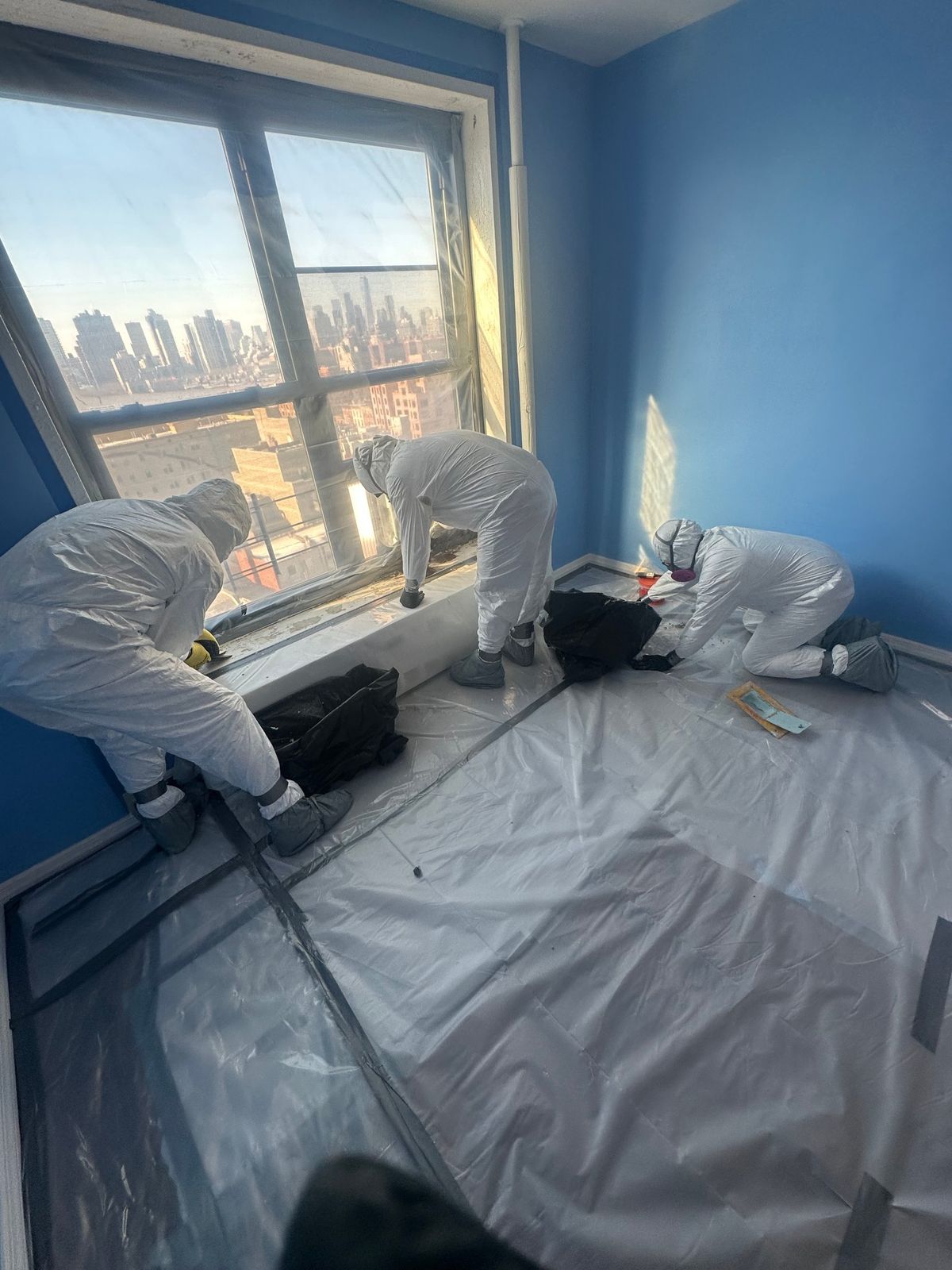
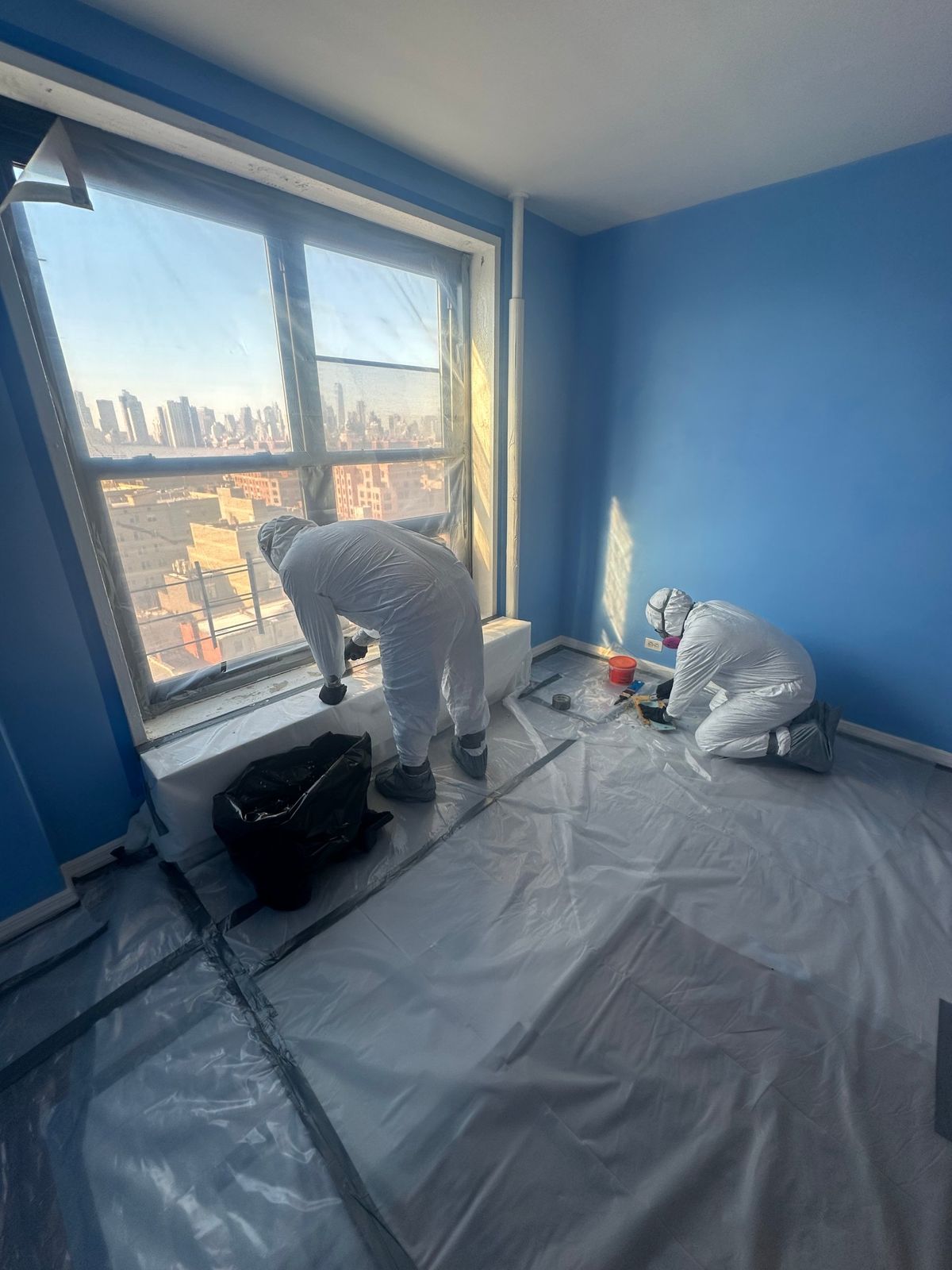
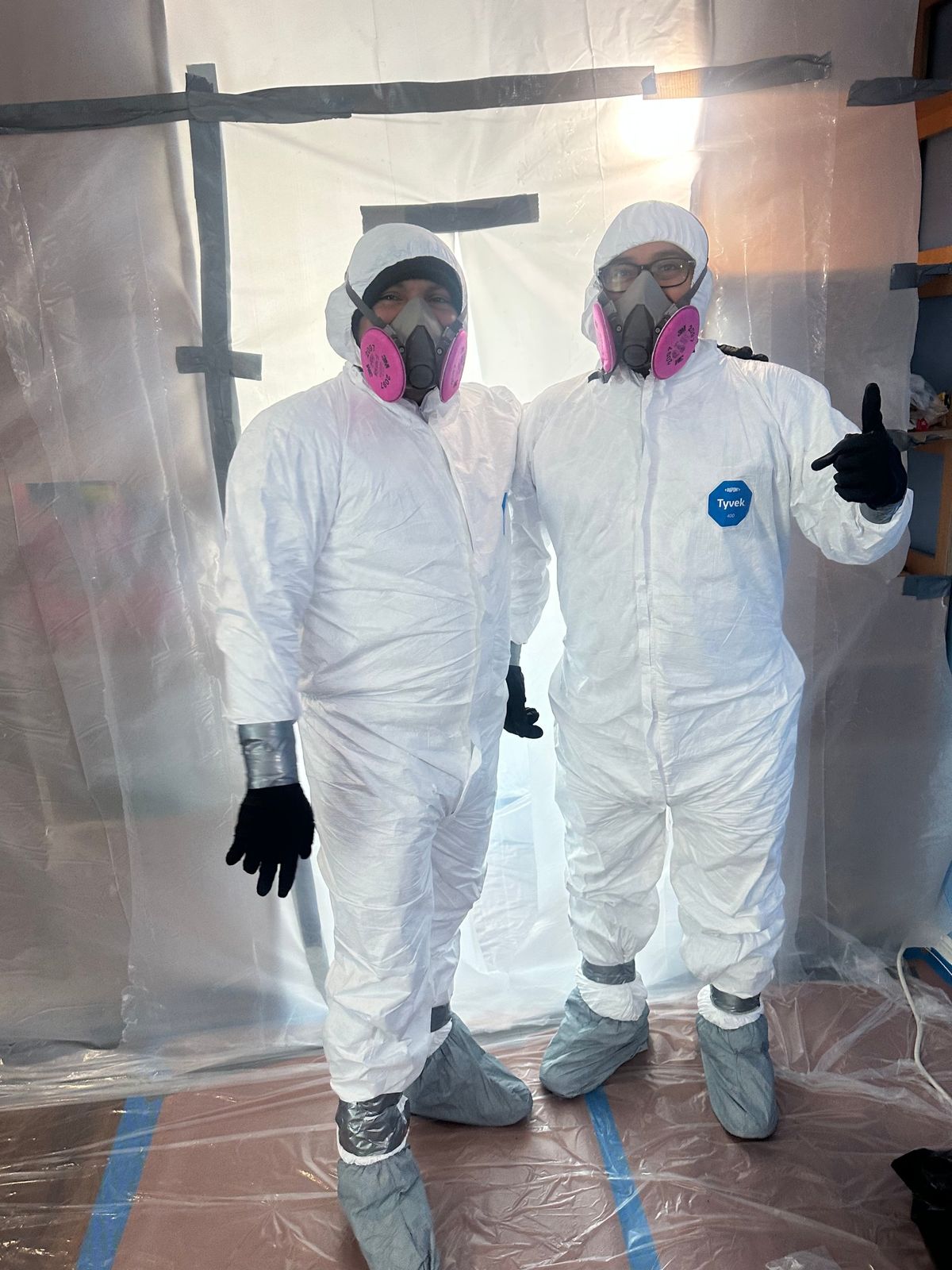
Containment before any paint is touched
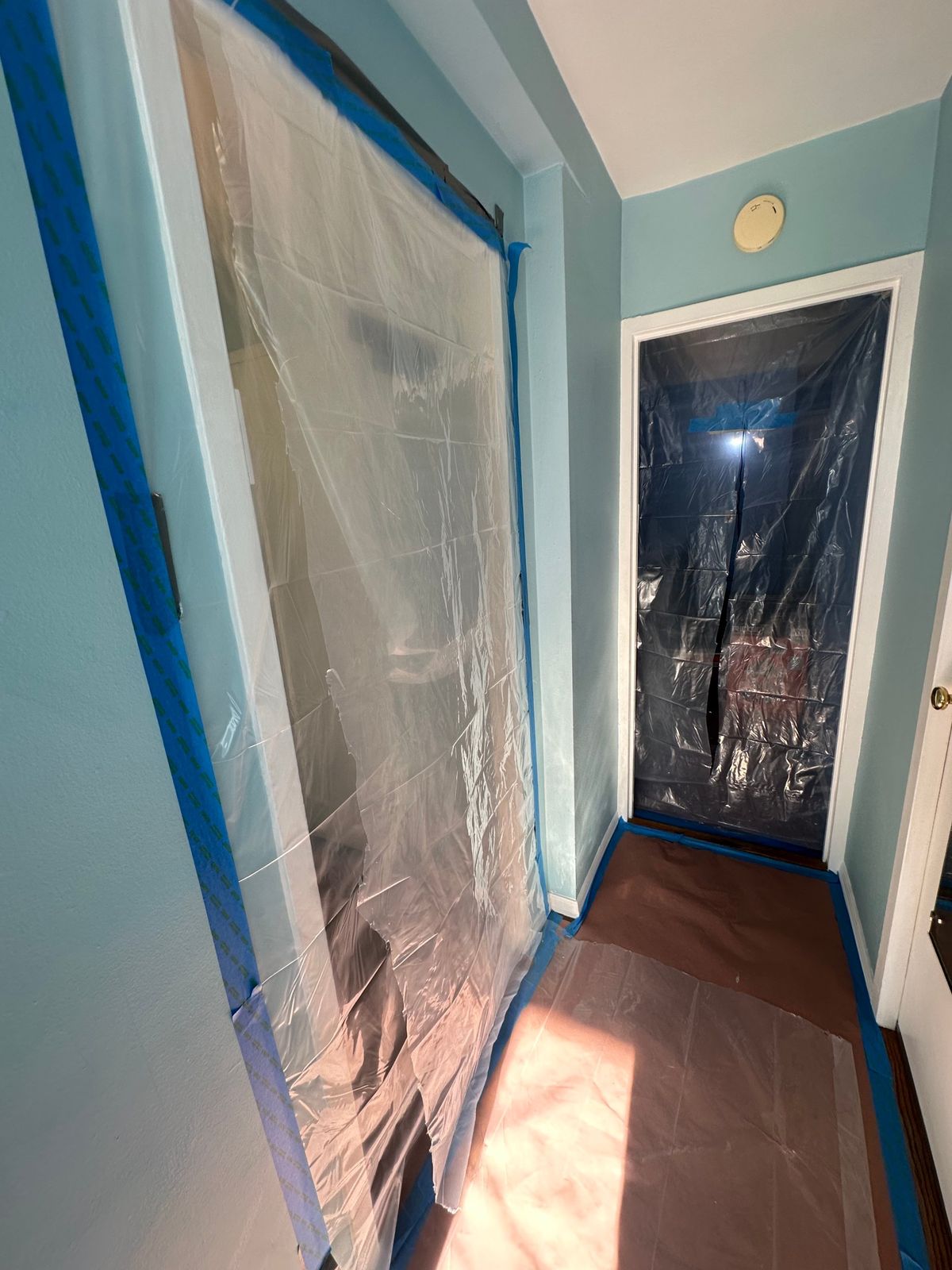
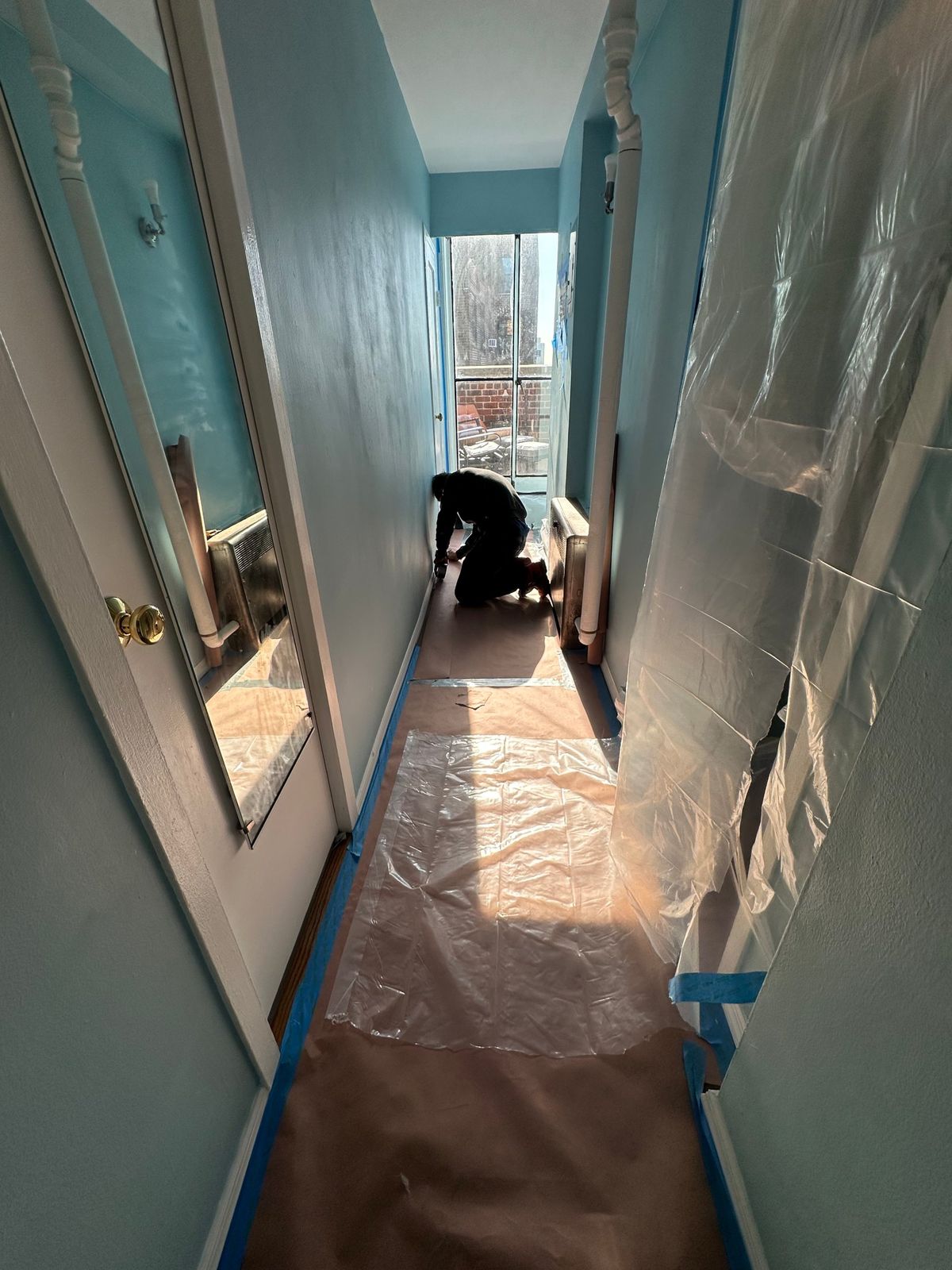
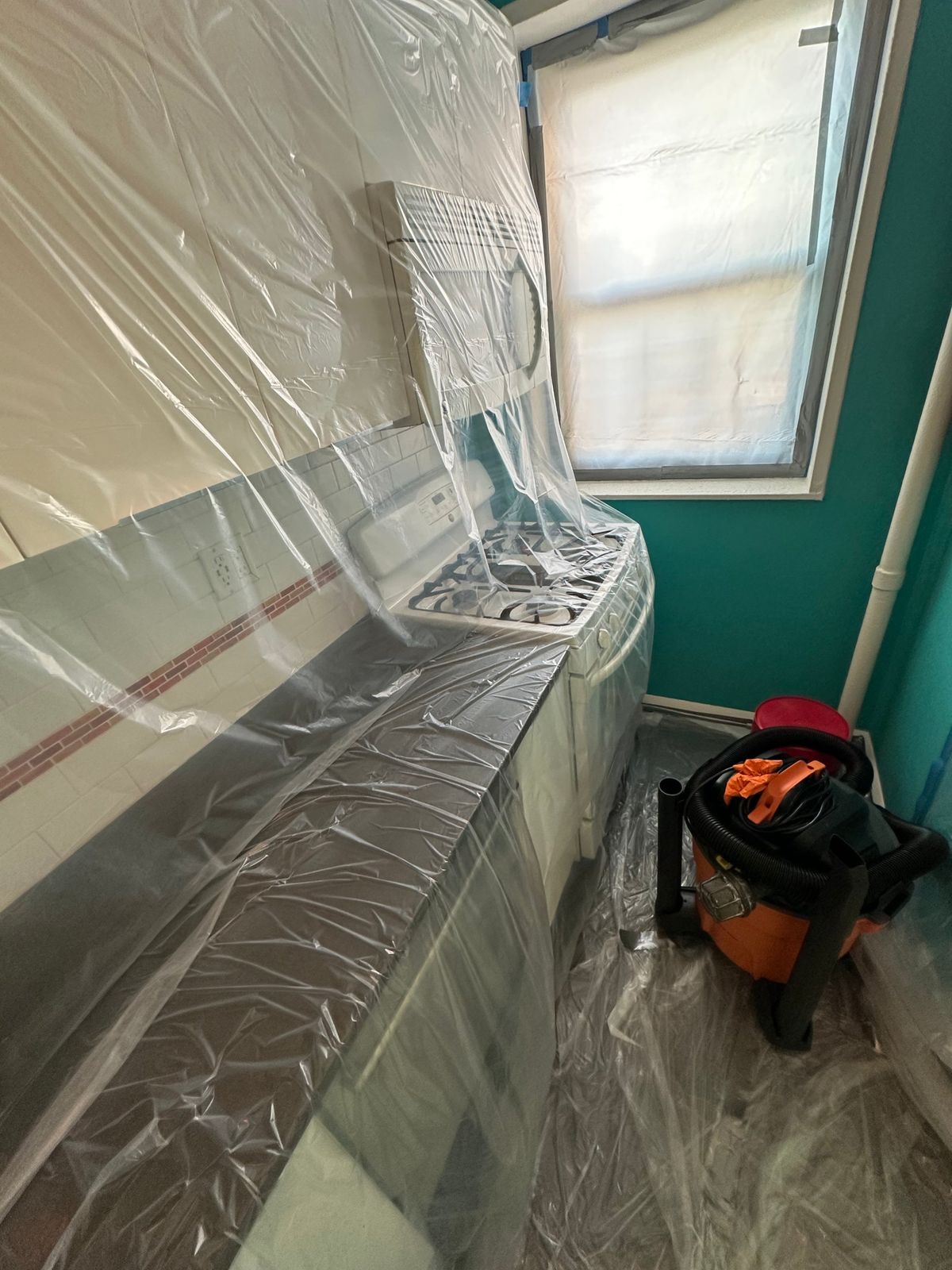
Floors are covered in taped plastic sheeting, doorways are sealed and whatever stays in the room is wrapped, so dust and paint chips stay inside the work area.
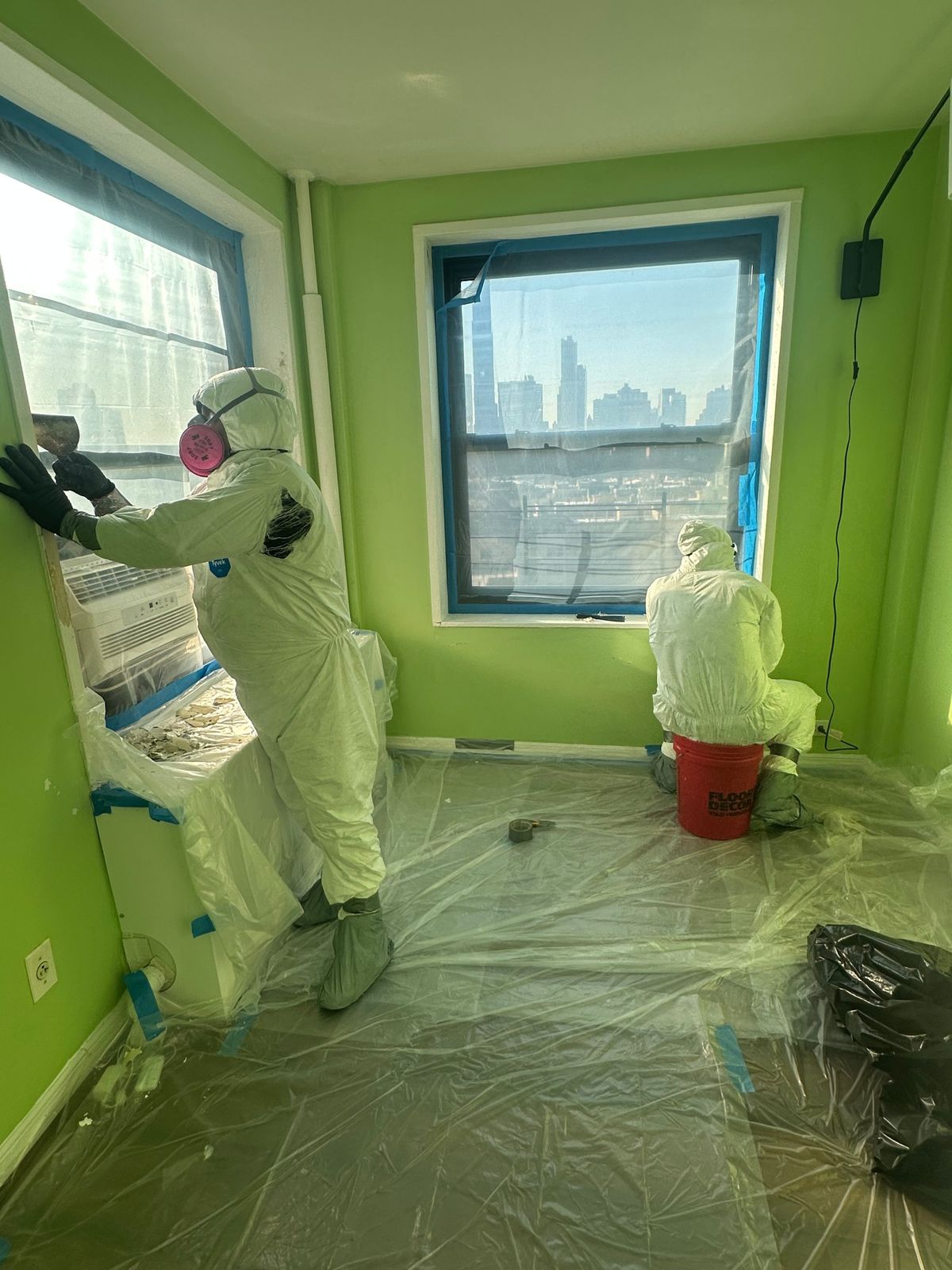
Removing the paint
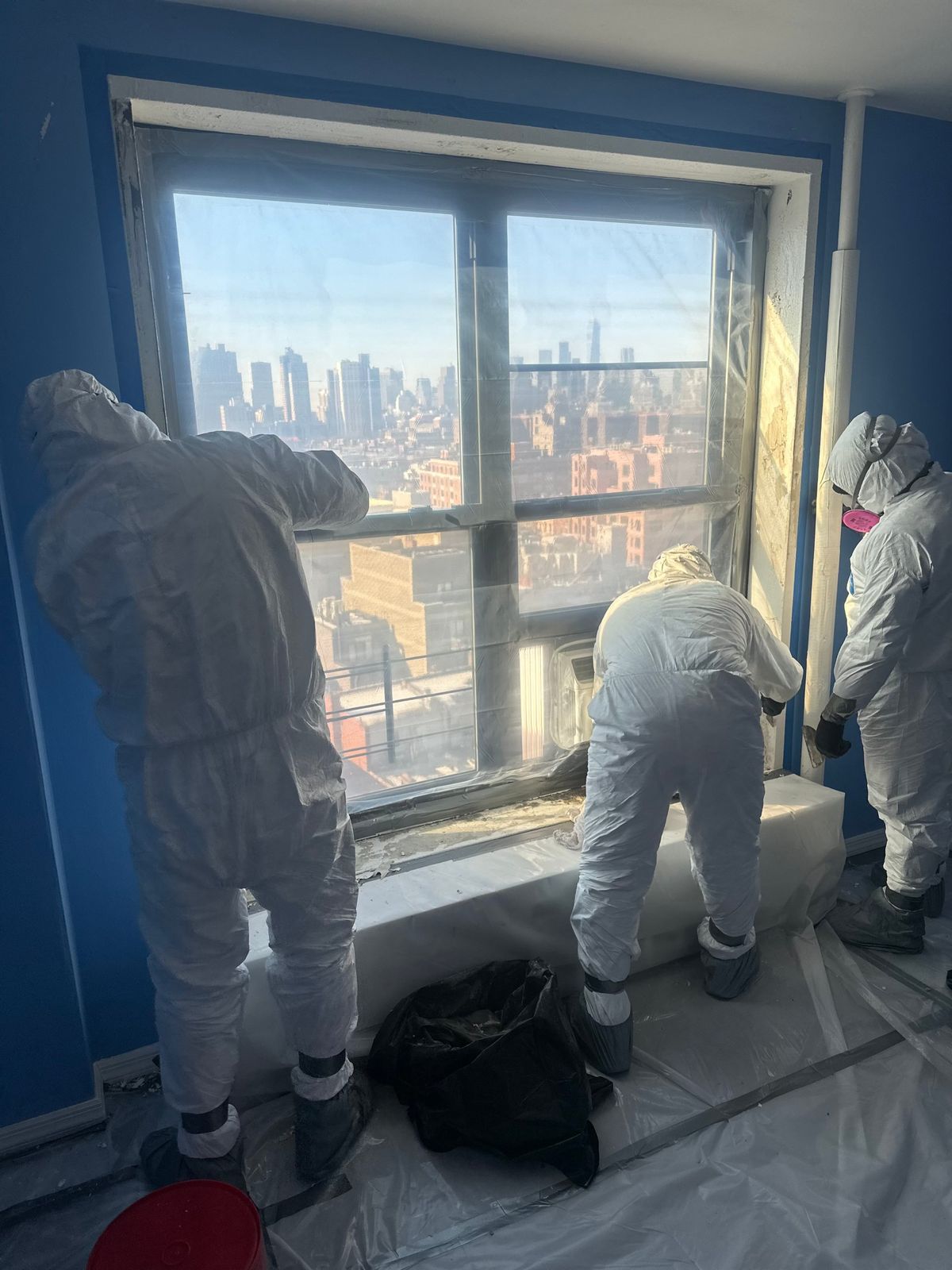
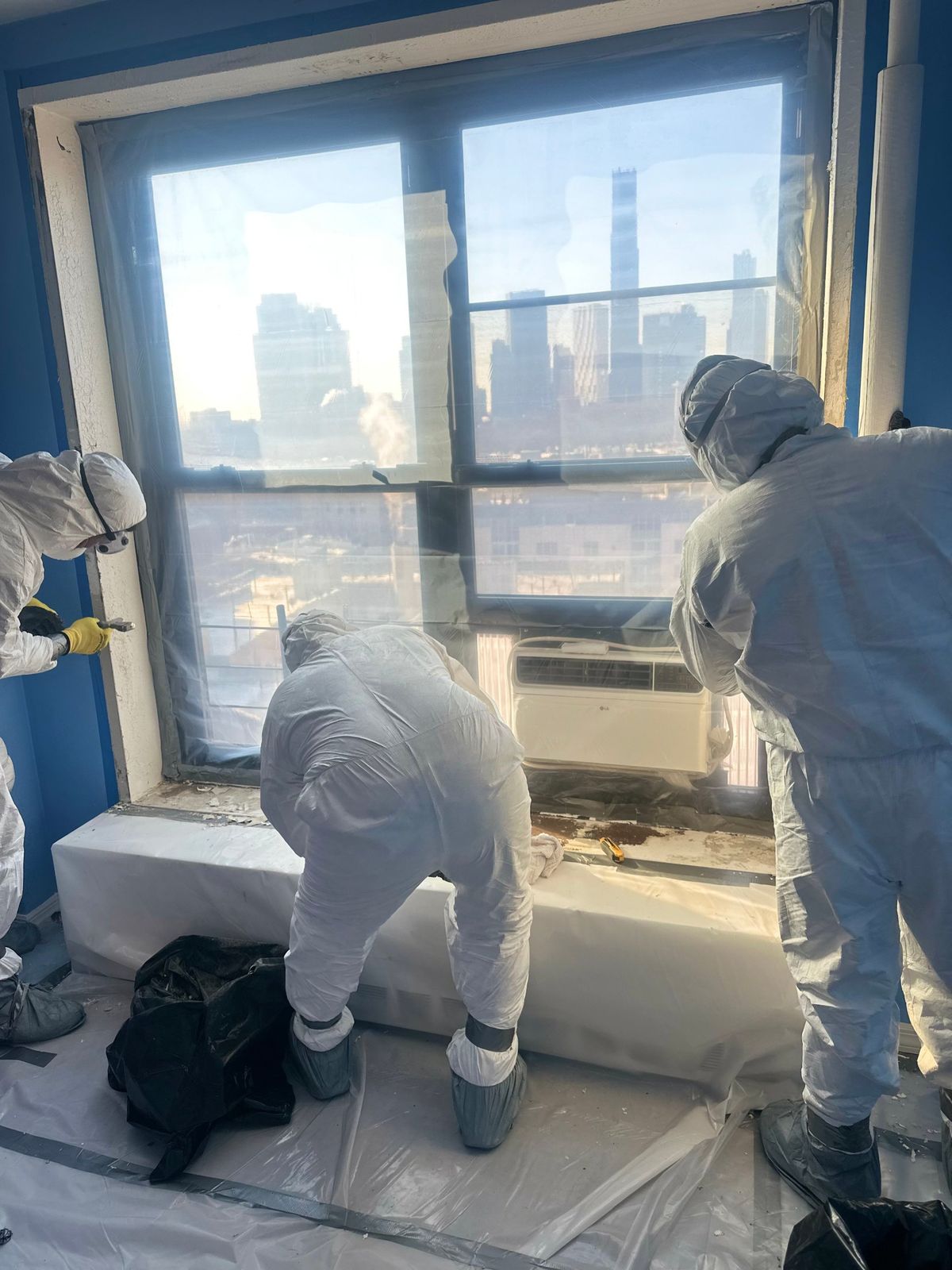
The crew works in disposable suits and respirators. Paint is taken off window frames, sills and surrounds, and debris is bagged inside the contained area.
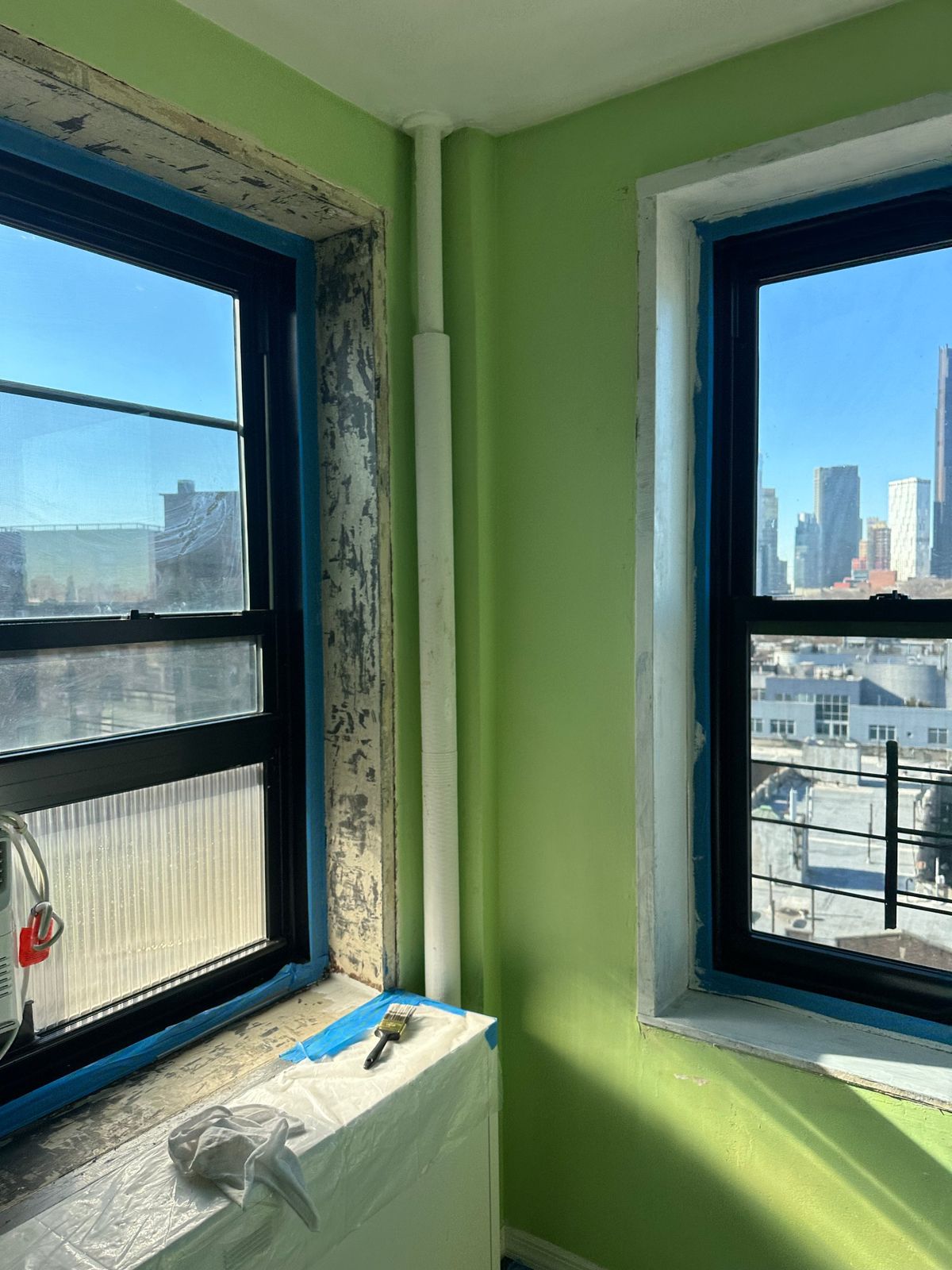
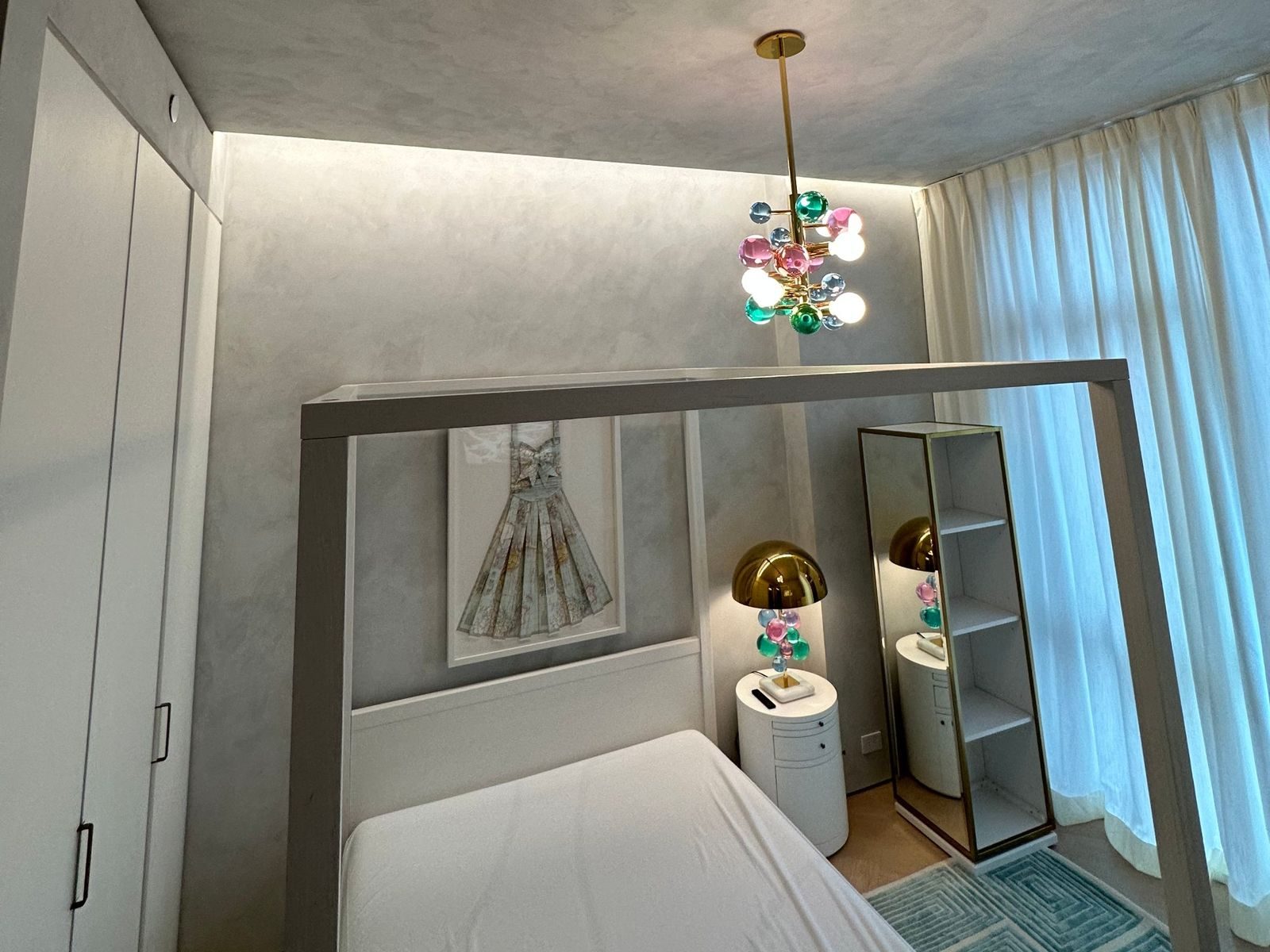
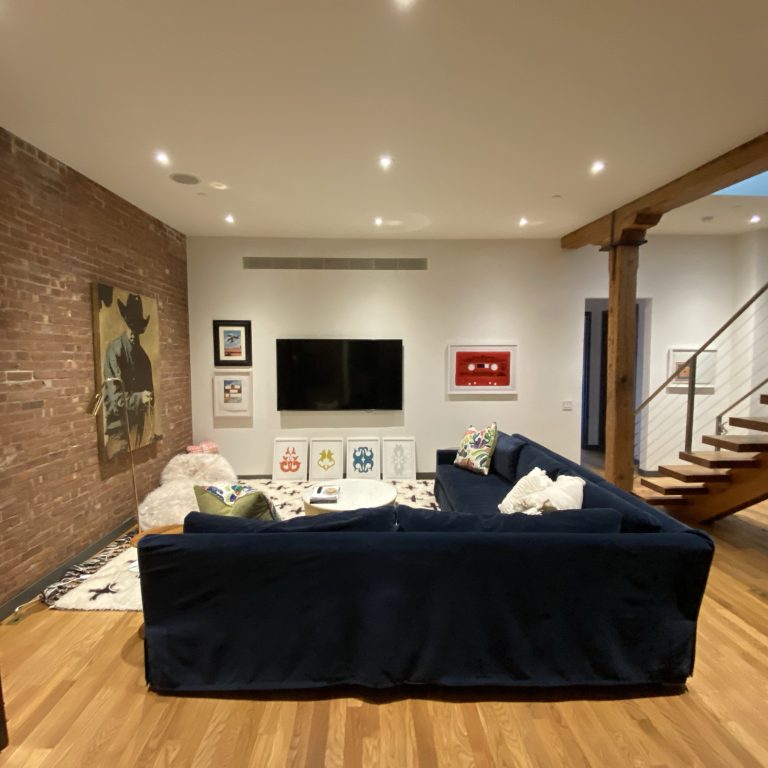
Cleanup and the finished surfaces
Paint chips and dust are collected from the sheeting before it comes up. An independent certified inspector then does the clearance dust test.

Tell us about your project
Call, or send the form and we will get back to you. Estimates are free and in writing.